
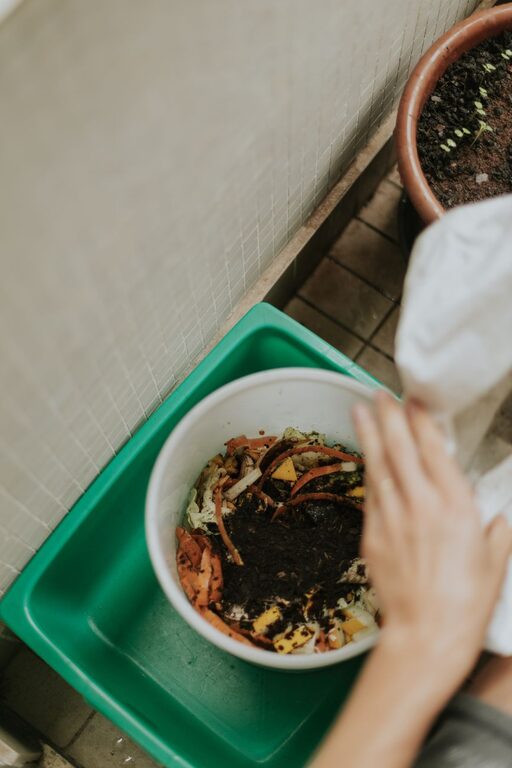
Composting is a rewarding way to reduce household waste and create nutrient-rich soil for your garden. If you’re new to composting, it might seem overwhelming at first, but with a few simple tips, you can start turning kitchen scraps and yard waste into valuable compost right at home. This guide will walk you through the basics and help you establish an easy, effective composting routine.
What is Composting?
Composting is the natural process of recycling organic material, like food scraps and yard waste, into a nutrient-packed soil amendment. This process is powered by microorganisms breaking down the organic matter. The resulting compost can improve soil health, retain moisture, and reduce the need for chemical fertilizers.
Why Compost at Home?
– Reduce waste: Composting keeps food scraps and yard waste out of landfills, lowering your household’s environmental impact.
– Enhance soil: Compost adds essential nutrients and improves soil structure.
– Save money: Cut down on buying commercial soil amendments and reduce waste disposal costs.
– Support sustainability: Composting is a simple way to contribute to a more eco-friendly lifestyle.
Getting Started with Composting: The Basics
Choose a Composting Method
There are several ways to compost at home; pick the one that best fits your space and lifestyle:
– Compost bin: A closed container that keeps compost tidy and speeds up decomposition.
– Compost pile: An open area in your yard for larger amounts of compost material.
– Worm composting (vermicomposting): Using worms to break down food scraps, suitable for indoor or small spaces.
– Tumbler compost: A rotating bin that mixes materials easily, speeding up the process.
Location Matters
Place your compost system in a convenient, well-drained spot with some shade. This helps maintain moisture and temperature, which are key for effective composting.
What to Compost: Materials to Include and Avoid
Greens (Nitrogen-Rich)
– Vegetable and fruit scraps
– Coffee grounds and filters
– Tea bags (check if biodegradable)
– Fresh grass clippings
– Plant trimmings
Browns (Carbon-Rich)
– Dry leaves
– Straw or hay
– Shredded newspaper and cardboard
– Wood chips or sawdust (untreated)
– Pine needles
Things to Avoid
– Meat, dairy, and oily foods (can attract pests)
– Pet waste (may contain harmful bacteria)
– Diseased plants or weeds with seeds
– Treated wood or synthetic materials
– Large branches (take too long to decompose)
How to Build and Maintain Your Compost
Layering Materials
Start with a layer of coarse browns (like twigs or straw) for airflow. Alternate layers of greens and browns, aiming for a balance approximately 2:1 browns to greens by volume. This balance helps the compost heat up and break down efficiently.
Keep It Moist
Compost should be as damp as a wrung-out sponge. Add water if dry, or add more browns if too wet.
Aerate Regularly
Turn or mix your compost every 1–2 weeks to add oxygen. This helps microorganisms stay active and speeds up decomposition.
Monitor Temperature
Active compost can heat up to 130–160°F (55–70°C). This is a good sign that decomposition is happening. Use a compost thermometer if you want to track progress.
Troubleshooting Common Compost Problems
– Bad smell: Usually means too much moisture or too many greens. Add browns and turn the pile.
– Slow decomposition: Could be due to lack of oxygen or moisture. Turn and water the pile.
– Pests: Avoid meat and dairy; use a closed bin or cover materials with browns.
– Compost too dry: Add water and more greens.
Harvesting and Using Your Compost
When your compost is dark, crumbly, and smells earthy, it’s ready to use. Depending on conditions, this can take anywhere from 2 months to a year.
How to Use Compost
– Mix into garden soil to improve texture and fertility.
– Use as mulch around plants to retain moisture.
– Add to potting mixes for container gardening.
Extra Tips for Composting Success
– Chop or shred large materials for faster breakdown.
– Avoid adding too many citrus peels as they can be slow to decompose.
– Compost small batches of food scraps in your freezer if you’re not ready to add them right away.
– Keep a small container in your kitchen for collecting scraps easily.
Conclusion
Composting at home is an accessible and eco-friendly way to recycle organic waste and improve your garden’s health. By starting with the right materials, maintaining moisture and airflow, and being patient, you’ll soon enjoy the benefits of homemade compost. Whether you have a large backyard or a small apartment, there’s a composting method that can work for you—so why not give it a try?
Happy composting!