
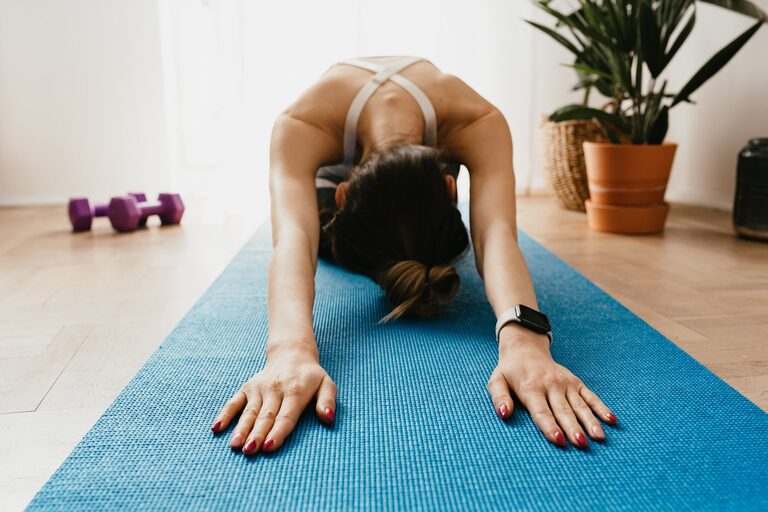
Stretching is a simple yet powerful way to enhance your physical health, improve flexibility, and reduce muscle tension. You don’t need a gym membership or fancy equipment to get started. With just a few minutes each day, you can create a stretching routine that fits your lifestyle and goals. This beginner’s guide will walk you through the basics of stretching at home, including benefits, tips, and easy stretches to try.
Why Stretching Matters
Stretching offers many benefits beyond just feeling limber. Regular stretching:
– Increases flexibility and range of motion in your joints
– Helps prevent injuries during physical activity
– Reduces muscle stiffness and soreness
– Improves posture and balance
– Relieves stress and promotes relaxation
It’s especially helpful if you spend a lot of time sitting or in one position, as stretching can counteract tightness from prolonged inactivity.
Getting Ready: What You Need
One of the great things about stretching is how accessible it is. Here’s all you really need:
– A comfortable space: Find a quiet spot with enough room to move freely.
– Clothing: Wear loose, comfortable clothes that allow easy movement.
– Optional mat: A yoga or exercise mat can add cushioning, especially for floor stretches.
– Time: Set aside 10–20 minutes, ideally when your muscles are warm, such as after a light walk or at the end of the day.
Stretching Guidelines for Beginners
Before you jump into stretches, keep these tips in mind for a safe and effective routine:
– Warm up first: Stretching cold muscles can increase injury risk. Warm up with 5 minutes of light cardio (walking, jogging in place).
– Move gently into the stretch: Avoid bouncing or forcing your body; ease into each position slowly.
– Hold stretches for 15–30 seconds: This allows muscles to relax and lengthen.
– Breathe deeply: Steady breathing helps relax your body and improves oxygen flow.
– Listen to your body: Stretching should create a gentle pull, not pain. If you feel sharp or intense discomfort, ease off.
– Stretch both sides: Balance is key, so make sure to stretch both left and right sides equally.
Basic Stretches to Start At Home
Here are some foundational stretches that target major muscle groups and are easy to do at home.
1. Neck Stretch
– Sit or stand tall.
– Slowly tilt your head to the right, bringing your ear toward your shoulder.
– Hold for 20 seconds, feeling the stretch along the left side of your neck.
– Repeat on the left side.
2. Shoulder Rolls
– Stand with arms relaxed.
– Roll your shoulders forward in a circle 10 times.
– Reverse direction and roll backward 10 times.
– This helps release tension in your upper back and shoulders.
3. Chest Stretch
– Stand facing a wall or doorway.
– Place your palm and forearm flat against the surface at shoulder height.
– Slowly turn your body away from the wall until you feel a stretch across your chest.
– Hold for 20–30 seconds and switch arms.
4. Cat-Cow Stretch (Spinal Flex)
– Start on your hands and knees in a tabletop position.
– Inhale, arch your back and lift your head and tailbone toward the ceiling (Cow).
– Exhale, round your back and tuck your chin toward your chest (Cat).
– Repeat gently for 8–10 breaths.
5. Seated Hamstring Stretch
– Sit on the floor with one leg extended.
– Keep your back straight and hinge forward from your hips, reaching toward your toes.
– Hold the stretch without bouncing for 20–30 seconds.
– Switch legs.
6. Hip Flexor Stretch
– Kneel on your right knee with your left foot in front, knee bent.
– Shift your weight forward slightly until you feel a stretch in the front of your right hip.
– Hold for 20–30 seconds.
– Switch sides.
7. Quadriceps Stretch
– Stand near a wall or chair for balance.
– Bend your right knee and grab your ankle behind you.
– Gently pull your foot toward your buttocks to stretch the front of your thigh.
– Hold for 20–30 seconds.
– Switch legs.
Creating Your Stretching Routine
To build a consistent habit, follow these simple steps:
- **Choose 5–6 stretches** that feel good and target areas you want to improve.
- **Set a regular time** in your day, such as morning, lunch break, or before bed.
- **Start small:** Aim for 10–15 minutes at first, gradually increasing as you get comfortable.
- **Track your progress:** Notice improvements in how you feel and any increased flexibility.
- **Mix it up:** Introduce new stretches over time to keep your routine interesting.
When to Stretch
Stretching can be done at various times throughout the day depending on your goals:
– After waking up: Gently loosen stiff muscles.
– Before and after exercise: Warm up or cool down your body.
– During long periods of sitting: Take breaks to stretch and refresh muscles.
– Before bed: Relax your body and mind to help with sleep.
Final Tips for Success
– Stay patient—flexibility improves gradually.
– Pair stretching with regular physical activity for best results.
– Consider adding mindfulness or breathing techniques to enhance relaxation.
– If you have existing injuries or health conditions, consult a professional before starting new stretches.
Stretching at home can be an easy, enjoyable way to take care of your body every day. With consistency and care, you’ll notice better flexibility, reduced tension, and a greater sense of well-being. Give it a try—your body will thank you!